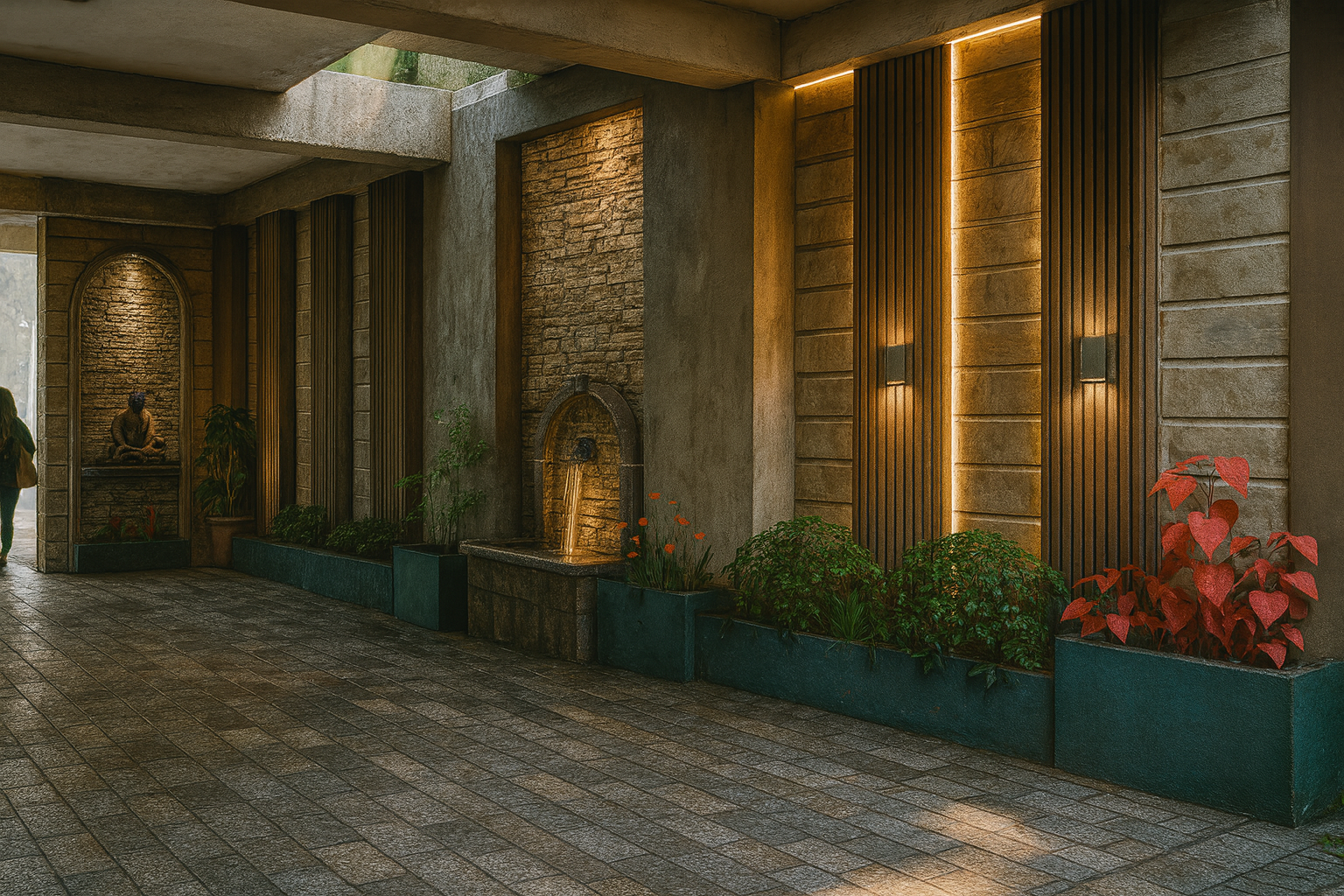

As cities continue to grow in complexity, architecture is shifting toward a future where buildings are not static structures but responsive, evolving environments. Adaptive architecture has emerged as a defining approach for tomorrow’s urban living—one where flexibility, sustainability, and human-centered design come together to create smarter, more resilient cities.
Today’s urban spaces require buildings that adjust to changing lifestyles, environmental pressures, and technological advancements. From mixed-use developments that transform throughout the day to facades that regulate light and heat, adaptive architecture introduces a dynamic quality to the built environment. Smart systems, modular planning, kinetic surfaces, and responsive materials enable structures to evolve with time, enhancing energy performance and user comfort.
Adaptive reuse also plays a crucial role—revitalizing old spaces into new assets, reducing waste, preserving heritage, and supporting sustainable urban regeneration. In essence, adaptive architecture provides a blueprint for cities that breathe, learn, and respond.
At Telamon Design Consult, adaptive architecture is deeply embedded in how we design. Our philosophy—form follows function—naturally aligns with the principles of responsive and future-ready buildings. As lifestyles shift and urban challenges intensify, we ensure our designs are intelligent, flexible, and resilient.
We create multi-functional spaces capable of evolving with changing user needs. Whether it’s a residence that adapts to expanding families, a commercial space that can transition into mixed-use, or an interior layout designed for long-term flexibility, our planning strategy prioritizes adaptability.
Environmental responsiveness is central to our practice. We integrate passive design principles, adjustable shading systems, smart daylighting, and energy-efficient envelopes that enable buildings to react naturally to climatic variations. Our use of modular and reconfigurable planning allows spaces to be modified with minimal reconstruction, reducing cost and environmental impact.
Wherever possible, we advocate for adaptive reuse—reviving existing structures into functional, meaningful spaces that contribute to urban sustainability while honoring their historical context.
Through these forward-looking strategies, Telamon Design Consult is actively shaping built environments that are flexible, sustainable, and capable of supporting the future of urban living.